BYU students registering for classes had developed a workaround: find the classes you want, write them down on paper, log into the registration system, then hunt for each one again to actually register. The system was so difficult that paper had become part of the process. This is what replaced it.
Project Details
- Client: BYU Student Body
- Role: Lead Designer
- Scope: User research, UX redesign, usability testing
- Current System: Class Schedule
The Challenge
The old class scheduling system required students to do the same work twice. They would browse the catalog to find the classes they needed, write down the course numbers and section times on paper, then log into the registration system and search for each course again. The search function was unintuitive, there was no way to see schedule conflicts before committing, and the whole process required leaving the system and coming back. Students described the experience as painful. The paper workaround was not a sign of student behavior -- it was a sign that the system had failed them.
The Strategy
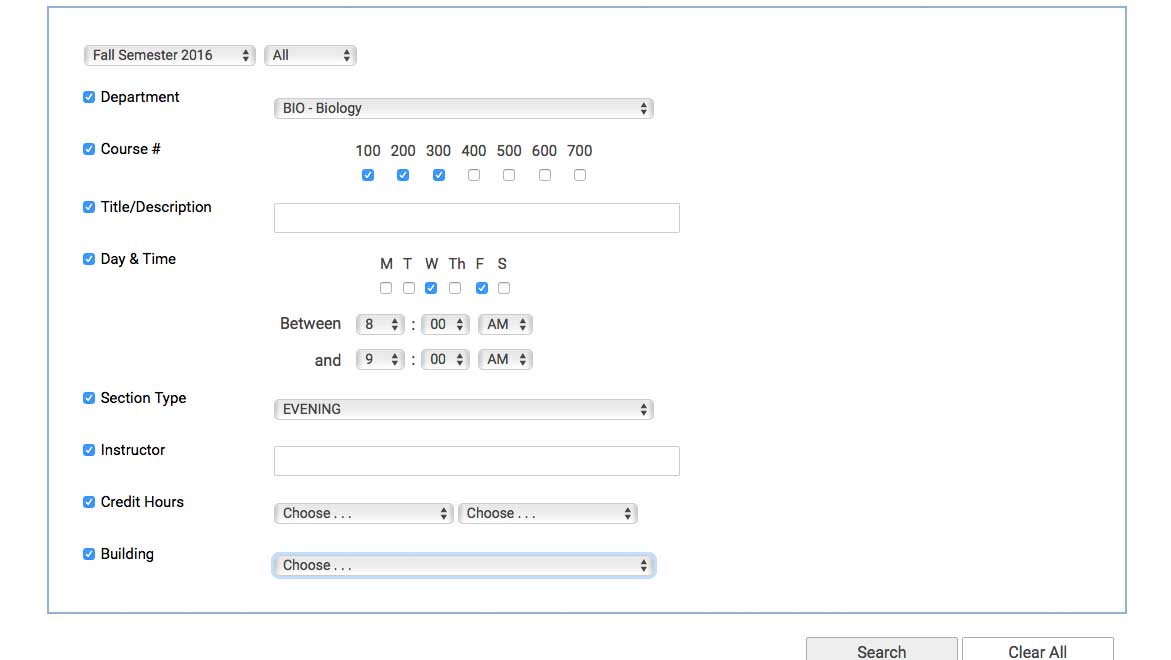
Research started with students, not assumptions. The team asked two questions: what bothers you most about registering for classes, and what would you want a better system to do? The answers aligned around the same core problems -- the search, the double-entry, and the inability to visualize a schedule before finalizing it. Features were collected and prioritized before a single wireframe was drawn.
The Execution
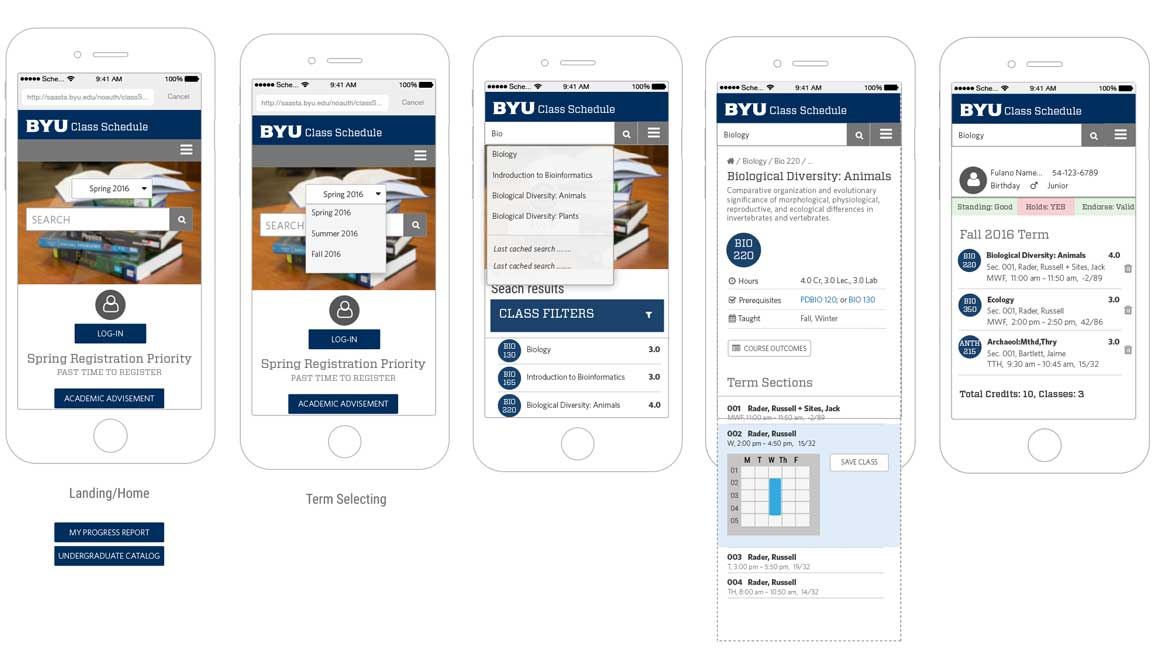
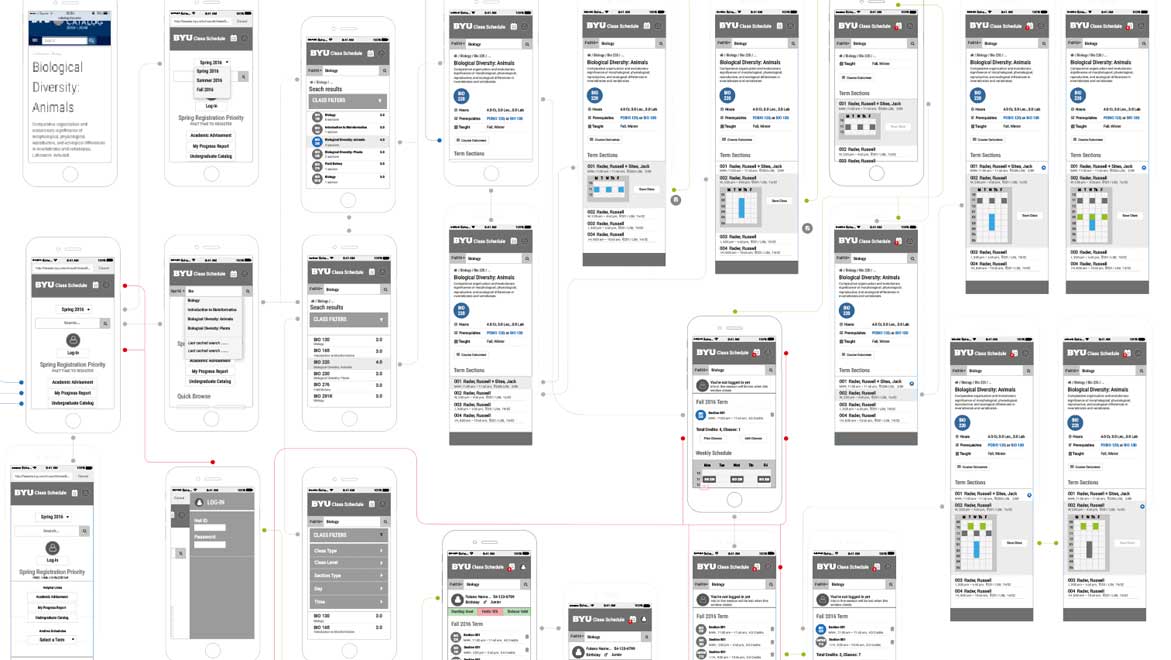
The wireframing process walked through the full scheduling flow multiple times, accounting for the range of scenarios a student might encounter: overlapping time slots, waitlisted courses, required prerequisites, and partial schedules being built over multiple sessions. The design that emerged replaced the double-entry loop with a single continuous flow: search, preview, save, and register without ever leaving the system.
The visual schedule builder was the key addition -- a live view of the student's week that updated as classes were added, making scheduling conflicts visible before they became registration errors. Students could save tentative schedules and return to them, eliminating the paper step entirely.
The Results
Usability testing showed that students were genuinely delighted with the redesigned system -- a word that does not come up often in feedback about university administrative tools. The search worked. Conflicts were visible. The paper workaround became unnecessary. The process that had required two sessions and a notepad could now be completed in one.