

Emergency lines were carrying a load they were never meant to handle. A significant portion of 911 calls in Orange County were not life-threatening situations — they were residents who needed social services, code enforcement, city departments, mental health support. Dispatchers were routing these calls manually, case by case, while genuine emergencies waited. Every non-emergency call that came through 911 was time and attention pulled away from someone who might actually be dying.
The dispatchers knew this. They lived with it every shift. One dispatcher, during the observational study, kept returning to the same point: services could have been rendered faster with better routing. Not once. More than once. That sentence carried the whole problem.
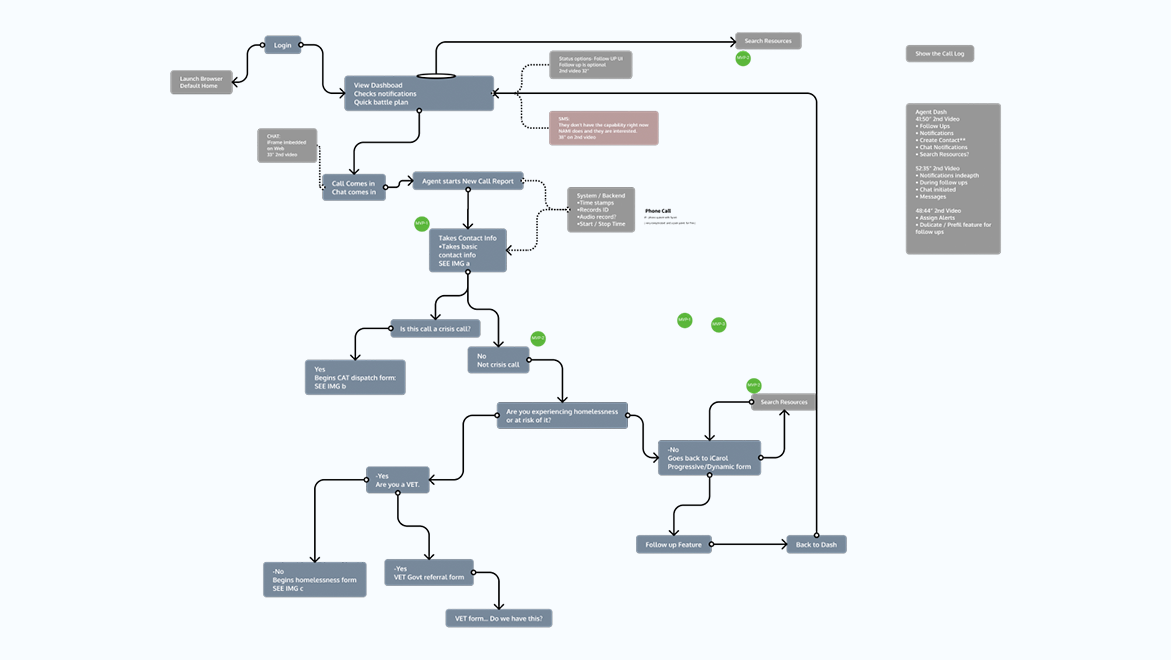
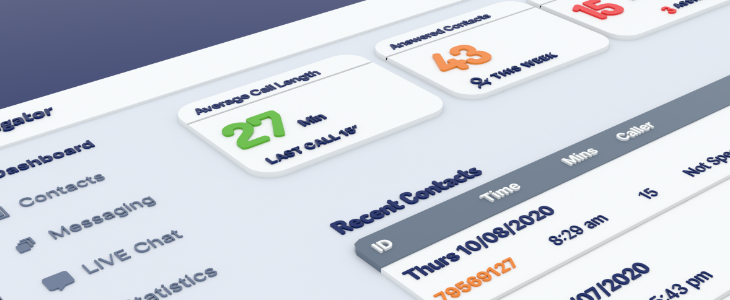
Behind the scenes it was worse than one bottleneck. OC Links, the Crisis Assessment Team, and NAMI's WarmLine were three separate services running on the same aging call-management system, each keeping its own version of a resource list that had grown to 220 entries and counting — overlapping, inconsistently organized, and going stale by the week. When a call landed with the wrong service, the handoff was manual: a transfer, a callback, sometimes a lost thread. Roughly a third of crisis calls needed exactly that kind of handoff, and every one was a chance for someone in crisis to fall through the cracks.