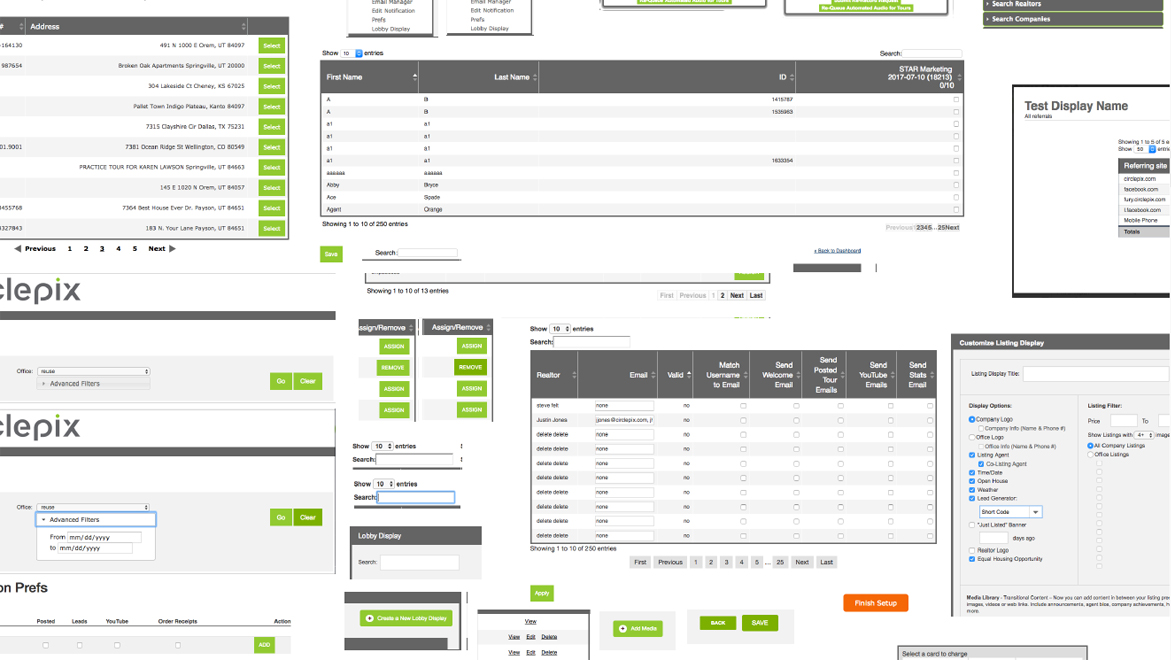
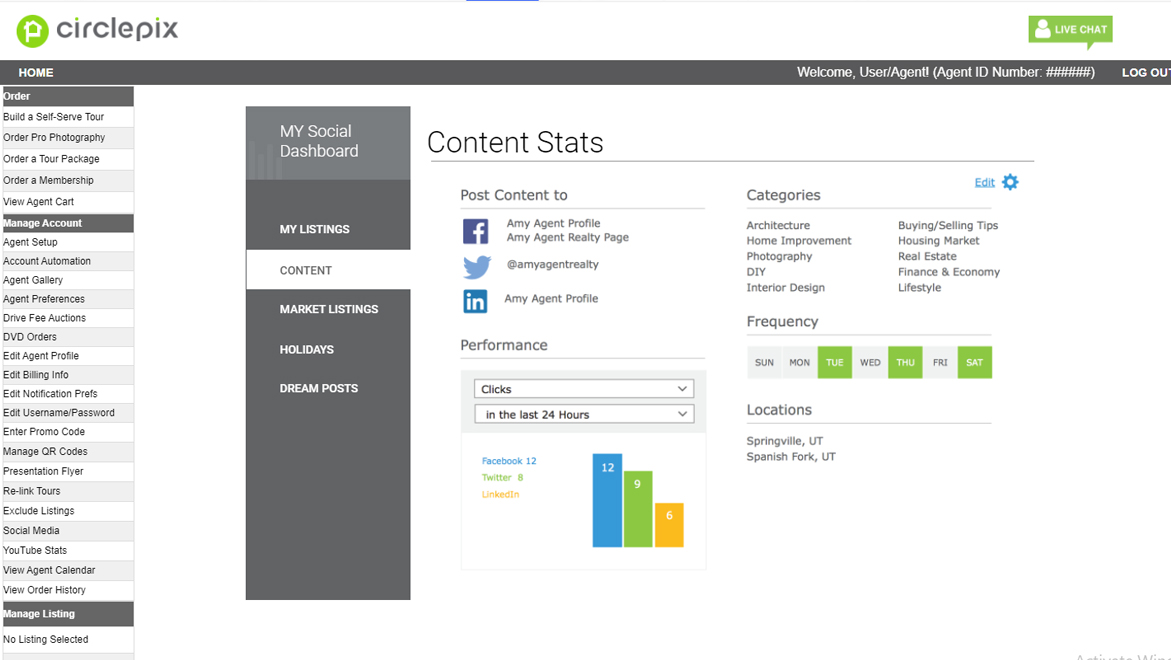
Circlepix ran its automated marketing platform on a legacy backend that had accumulated years of add-ons layered over a table-based UI. The system worked, technically -- but it was difficult to navigate, inaccessible on mobile, and increasingly hard to maintain. This was the full IA redesign.
Project Details
- Client: Circlepix
- Role: Lead UX Designer
- Scope: User research, information architecture, full portal redesign
- Prototype: Portal Concept
The Challenge
Circlepix's marketing automation platform had been built and rebuilt in layers. The original system used a table-based layout that was never designed for mobile, and years of feature additions had stacked on top of the existing structure rather than integrating with it. Clients found it difficult to navigate, support found it difficult to maintain, and the architecture had no room left to scale. The decision was made to redesign the portal from the ground up rather than add another layer.
The Strategy
Redesigning a system that clients actively depend on means the research has to come before the wireframes. I conducted phone interviews and surveys with existing clients to surface the friction points the support team already knew about and the ones they didn't. The interviews made clear that mobile access was not an edge case -- clients were trying to use the portal on phones and finding it effectively unusable. Any redesign that didn't start with mobile parity would replicate the same failure in a new skin.
The Execution
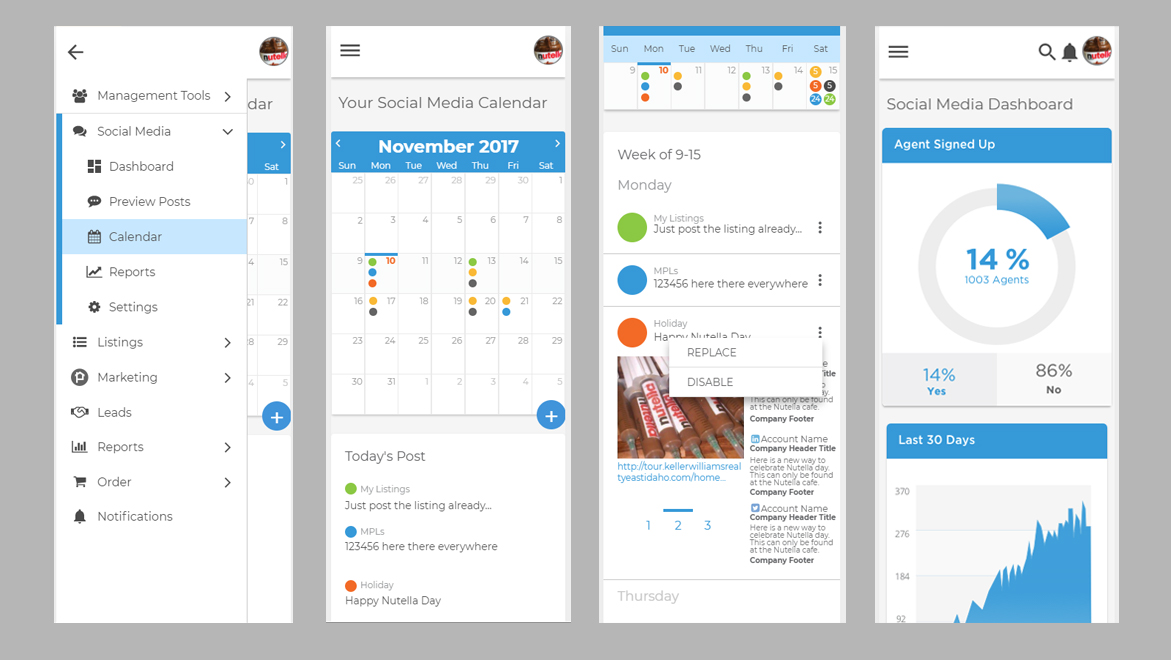
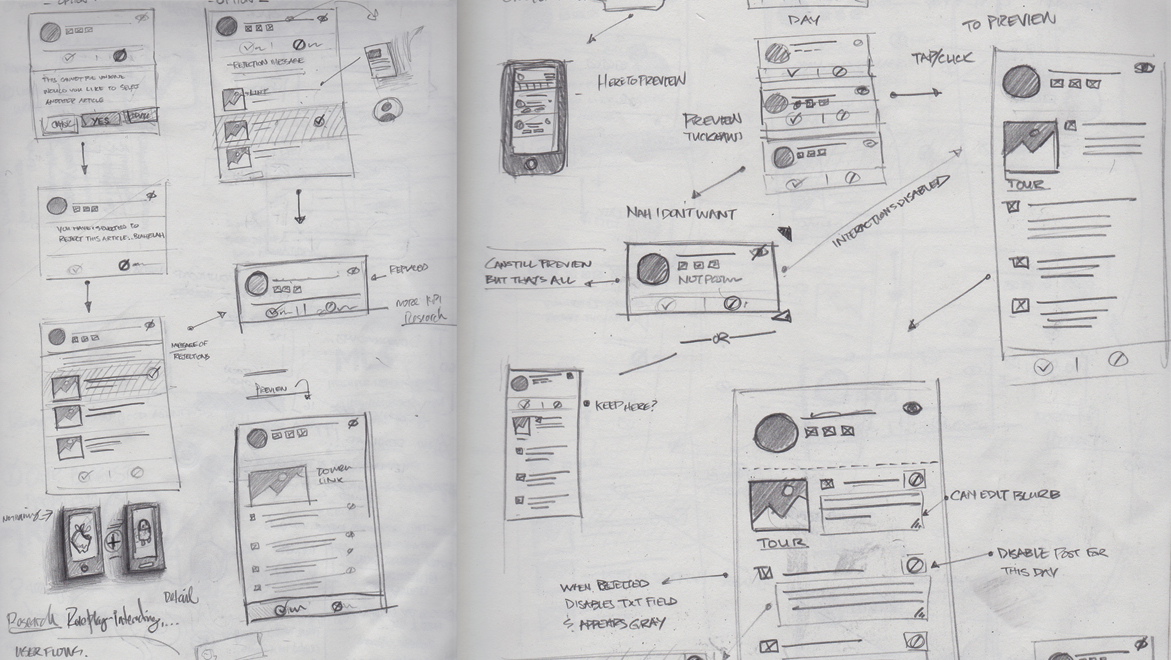
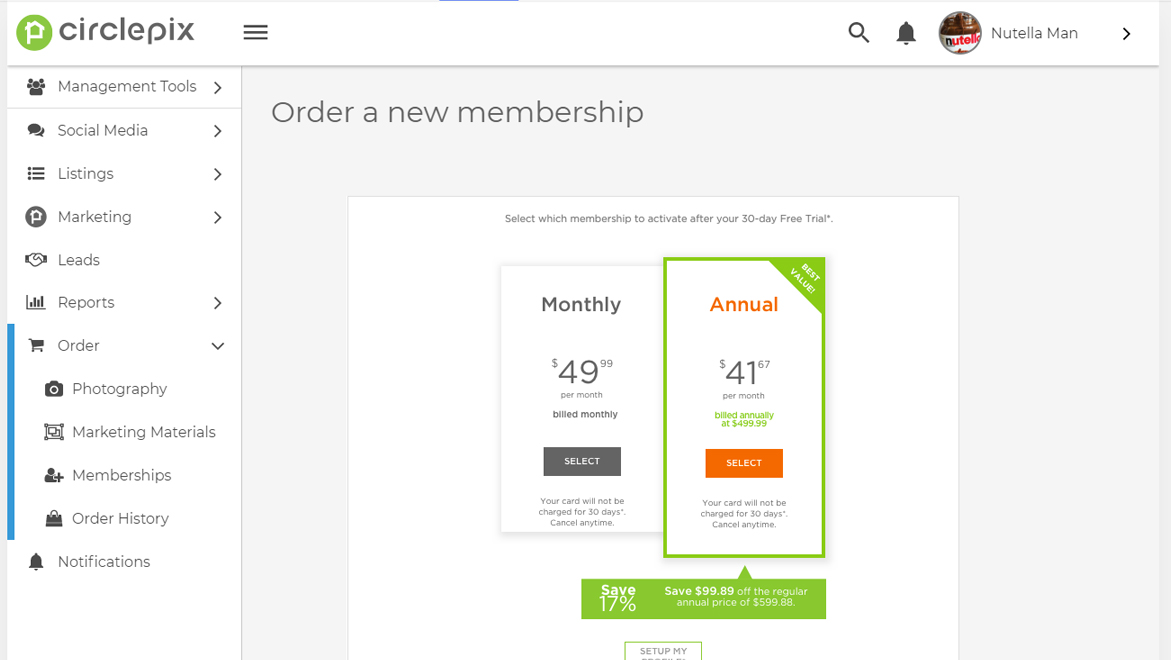
The entire information architecture was restructured from scratch. Rather than fitting new features into the existing table layout, the portal was reorganized around how clients actually used it: what they needed to access first, what tasks they completed most frequently, and where the existing flow created unnecessary steps. Prototype testing validated the new structure before development began, catching navigation issues that would have been expensive to fix after build.
The Results
The project reached interactive prototype stage with a validated information architecture and a mobile-first layout. The redesign addressed the two failure modes that had made the legacy system increasingly untenable: the navigation structure that didn't match client mental models, and the mobile experience that effectively excluded clients working from their phones.