
Loading...

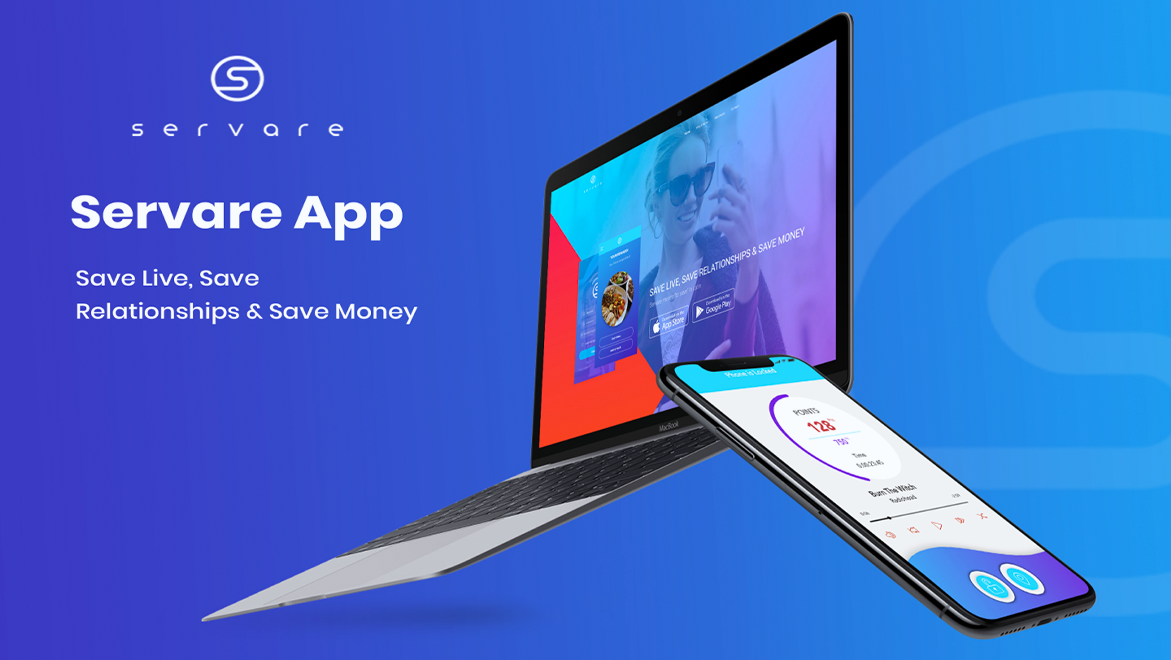
A behavior-change mobile app designed to reduce distracted driving through incentives rather than restrictions. Research with 200+ students found 74% admitted to phone use while driving. The design challenge was making the safer choice feel rewarding rather than punishing.

Project Details

  • Client: Sevare
  • Role: Senior UX Designer
  • Team: UX Strategist + 2 Senior UX Designers
  • App: servare.app

The Challenge

Distracted driving is a well-documented problem with poorly designed solutions. Existing apps approached it through restriction and guilt, which produced resentment rather than change. Our research surveyed 200+ students and found 74% admitted to using their phone while driving. The insight that shaped everything: the apps that tried to lecture people into better behavior didn't work. People needed a reason to want to lock their phone, not a reason to feel bad about not doing it.

The Strategy

The team centered the design on one behavioral economics principle: make the desired action feel like a reward, not a sacrifice. Rather than blocking phone access and calling it safe driving, Sevare turns each drive into a points-earning session. Lock your phone, accrue points, redeem at participating restaurants. Competitor analysis confirmed that complex, lecture-based apps rarely inspired lasting change. Simplicity and immediate incentive were the design mandates.

The Execution

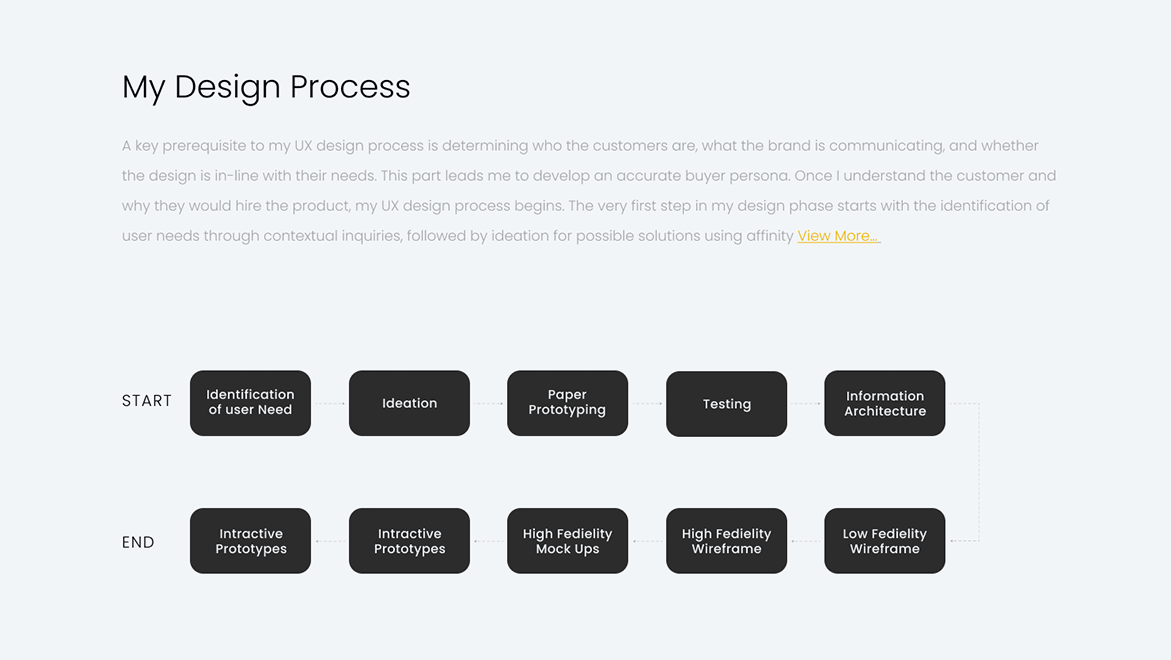
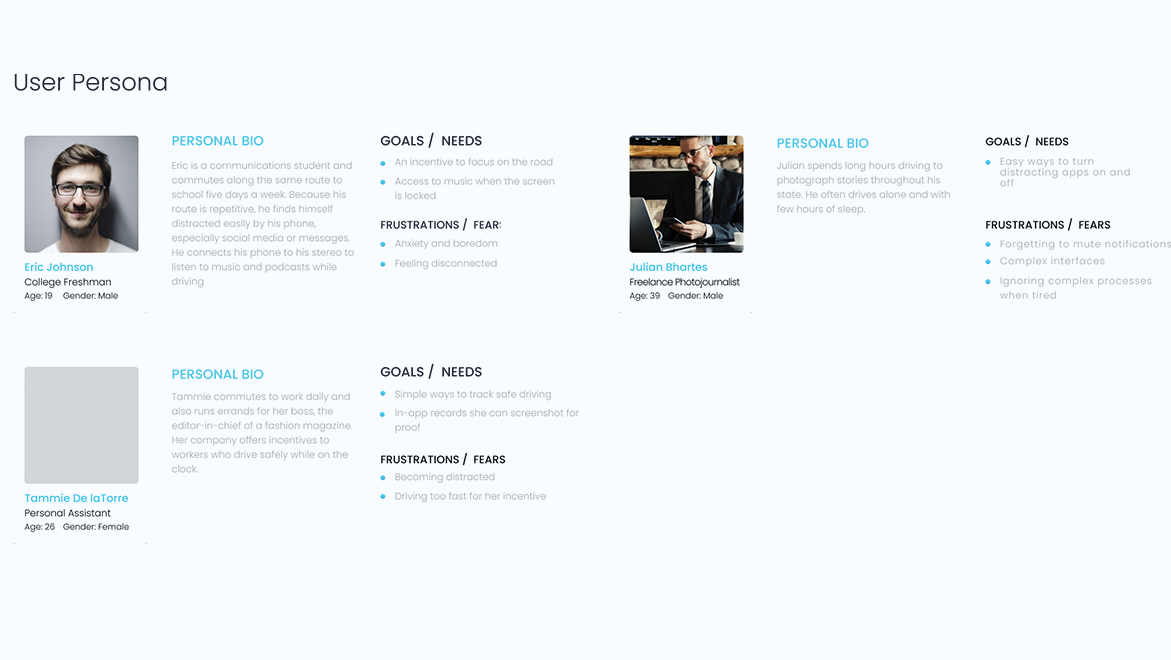
The process followed a full research-to-prototype arc: user need identification, ideation, paper prototyping, usability testing, information architecture, wireframes, and high-fidelity mockups. Three user personas grounded the design in real behavior patterns across different driver profiles: a college student who checks social media at lights, a freelance photographer distracted by notifications, and a professional whose employer tracks safe driving for insurance purposes.

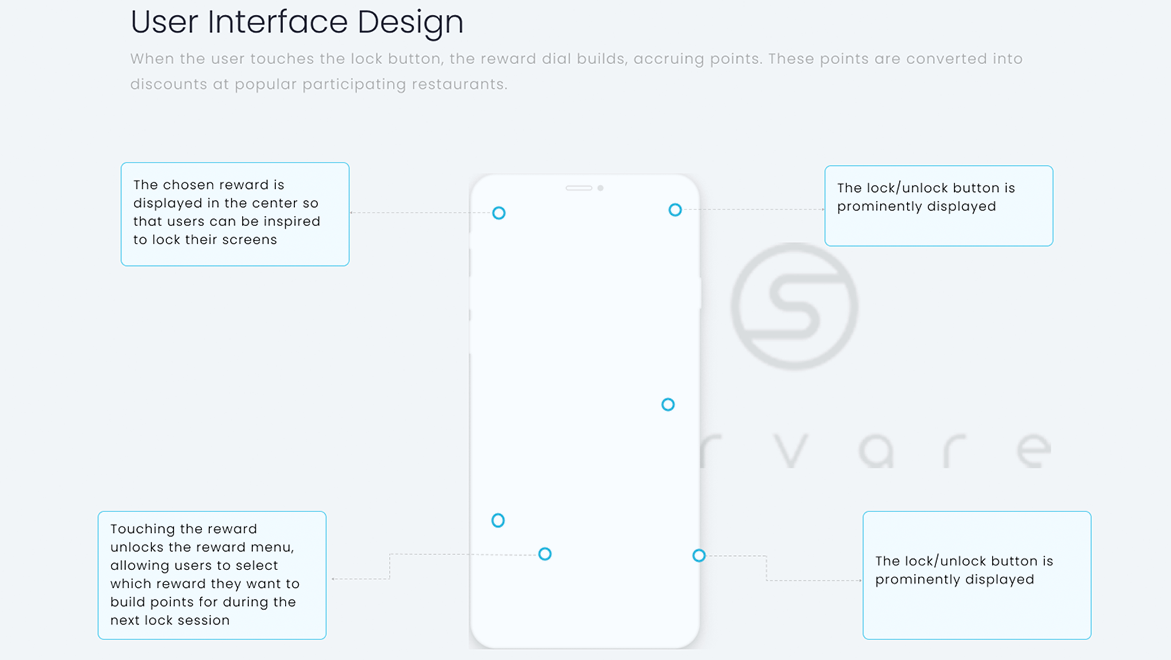
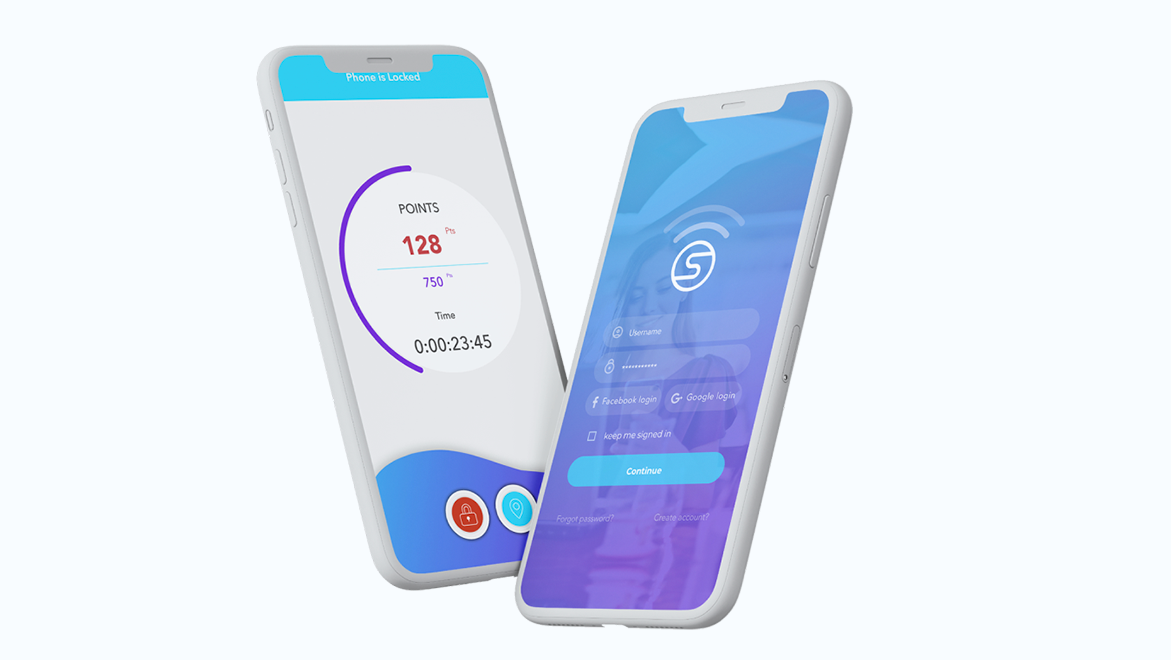
The core UI decision was the reward dial: a single lock button that, when pressed, begins accruing points displayed as a building dial on screen. The chosen reward is visible at the center of the dial throughout the drive, giving users a goal to look forward to rather than a restriction to resent. Calls and texts are blocked during the session while music remains accessible, reducing cognitive load without eliminating the functionality people actually need while driving.

The Results

The project reached high-fidelity prototype stage with a complete UX foundation: research, personas, tested user flows, and polished UI. The design demonstrates a behavioral approach to a safety problem that most apps have tried and failed to solve through restriction alone. Whether it shipped or not, the case for incentive-first design is made in the work.